
 Call Buderim
 Book Appointment

Losing teeth at the back of the mouth can make everyday habits feel unexpectedly difficult. You may notice subtle changes in how you chew or how your bite meets when you eat. Over time, the absence of support from upper molars can affect both comfort and function. Partial dentures for upper back teeth help re-establish balance without needing a full replacement. When designed properly, they restore confidence while keeping surrounding structures healthy.
Why Missing Upper Back Teeth Need Attention Early
Many people overlook missing upper molars because they sit out of sight, yet these teeth carry most of the chewing force. Ignoring those spaces can change how your mouth functions as a whole.
 How Missing Molars Affect Everyday Chewing and Speech
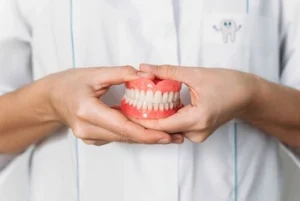 How Missing Molars Affect Everyday Chewing and Speech
When back teeth are absent, the bite becomes uneven, forcing front teeth to take on more pressure. Over time, this shift alters how your jaws move, which can cause fatigue or minor clicking. Some individuals also find that food traps easily, leading to difficulty chewing properly. These changes can even influence speech clarity, especially when air escapes through the spaces where teeth once were. Addressing teeth missing in the upper arch helps restore the natural flow between speech and eating, making everyday movements feel effortless again.
The Hidden Strain on Jaw Joints and Facial Balance
Your upper back teeth stabilise how the jaws meet, guiding the muscles that move them. Without this support, the jaw joint may overwork to find balance, occasionally resulting in tightness or jaw pain. When missing molars remain unaddressed, facial muscles begin compensating, which can subtly alter facial structure and expression. Replacing a few teeth in time allows the mouth to distribute movement more evenly, keeping joint motion smooth and reducing unnecessary strain.
What Happens to Bone and Gum Health When Gaps Remain
Once teeth are lost, the surrounding bone no longer receives stimulation from chewing. This lack of pressure causes gradual bone resorption beneath the gum line, leading to a change in ridge shape. Gaps left behind may also collect food particles, allowing bacteria to accumulate and affect oral health. Over time, untreated spaces can shift remaining teeth out of position, creating further misalignment. Replacing missing back teeth helps maintain jawbone height and preserves gum integrity.
How Partial Dentures Replace Function in the Upper Back Teeth
Replacing upper molars isn’t only about appearance; it’s about restoring stable chewing and support for the entire mouth. Modern partial dentures play a vital role in helping you eat comfortably and maintain balance throughout your bite. Their design allows movement and force to be shared naturally across remaining and natural teeth, keeping your bite steady and function consistent.
The Structural Design That Supports Upper Molar Replacement
Partial dentures for back teeth are shaped to fit comfortably within the dental structure, sitting against gum tissue and supported by neighbouring teeth. Each prosthesis uses a gum coloured base to anchor artificial teeth in the correct position, recreating natural chewing height. The fit must feel even, neither pressing too tightly nor slipping during movement. This balance keeps the bite aligned and helps prevent irritation across soft tissue.
How Frameworks Distribute Pressure Evenly Across the Mouth
 How Frameworks Distribute Pressure Evenly Across the Mouth
A well-designed framework plays a key role in spreading chewing pressure evenly. Metal partial dentures provide a strong internal frame that prevents rocking or lifting during use. Acrylic partial dentures are lighter and more adaptable for those needing flexibility. Both styles stabilise the bite and protect other teeth from excessive wear. When balanced correctly, the prosthesis functions as a dependable extension of the natural arch.
Matching the Denture to Your Natural Bite and Aesthetics
Partial dentures fill gaps without disturbing how the upper and lower teeth meet. Properly fitted partial dentures are shaped to match the existing bite, preventing imbalance between the upper and lower jaws. The artificial teeth attached are chosen to blend seamlessly with your natural appearance, creating a uniform look when speaking or smiling. Each design focuses on complementing facial structure while maintaining harmony with existing teeth.
Comparing Fixed and Removable Options for Posterior Teeth
For upper back teeth, partial dentures offer flexibility in style. A fixed partial denture connects to abutment teeth using dental crowns or a fixed bridge for lasting support. Alternatively, removable partial dentures use metal clasps that attach securely to surrounding teeth while allowing removal for cleaning. Flexible partial dentures are another option that moulds gently to the gums for added comfort. The right partial denture depends on how many teeth are missing, their position, and your preference for convenience or stability.
What to Expect During the Partial Denture Process
Creating dentures for back teeth involves a personalised approach. Each step is designed to achieve stability, comfort, and a natural appearance. This phase introduces how the prosthetist works closely with you to design a precise and secure fit.
Your Initial Consultation and Assessment for Upper Denture Fit
The journey begins with an initial consultation, where your prosthetist assesses your oral structure and remaining teeth. During this visit, they will discuss treatment goals, the number of missing teeth, and which denture solution fits your needs. Evaluating both upper and lower arches helps maintain balanced chewing once the denture is placed. The prosthetist may also review whether dental implants or a fixed partial denture could support long-term strength.
Impression Taking and Bite Registration for Precision
Once the treatment plan is confirmed, impressions are taken to capture the exact details of the upper back teeth area. This step creates a model that guides the design of the denture base. Bite registration follows, recording how your upper and lower jaws meet. The data helps align artificial teeth accurately so that the denture supports a natural bite pattern and prevents uneven force.
Trial Fittings That Fine-Tune Comfort and Alignment
Before the final denture is produced, a trial version allows adjustments for comfort and fit. During this phase, your prosthetist will check how the denture rests on the gums and interacts with existing teeth. Any tight spots or movement are corrected immediately. This process also lets you experience how the denture feels when speaking or chewing, helping confirm that alignment and bite remain stable.
The Final Placement and Bite Adjustment Phase
The final denture is fitted once comfort and function are perfected. Acrylic teeth or porcelain options are attached securely to the denture base, completing the final denture. The prosthetist checks the bite one last time to confirm stability. After placement, you’ll receive guidance on adapting to your new dentures, as the jaw and tongue may need a few days to adjust naturally. Any small refinements are completed during follow-up visits to maintain even contact.
Adapting to and Caring for Your Upper Partial Denture
Living with new dentures involves patience, steady routines, and regular denture check-ups. Upper back teeth play a major role in chewing, so allowing time for muscles and tissue to adapt ensures ongoing comfort. These practices help you maintain strong function and support overall oral health.
How to Adjust During the First Few Weeks of Wear
During the early days with new dentures, mild tightness or altered speech is common as your mouth learns a new rhythm. Wearing the denture daily helps your muscles adapt faster. If any pressure points develop, a short adjustment appointment can fine-tune the fit. Gradual adaptation keeps your bite even and prevents soreness around your gums. Taking time to practise reading aloud or eating soft foods helps improve comfort.
Cleaning Methods That Protect the Fit and Surface
Proper care keeps partial dentures comfortable and functional for years. Cleaning should be done gently using a soft brush and approved denture cleaner, avoiding hot water that may distort the shape. Metal clasps should be checked regularly for stability, and denture adhesive may help with added confidence during initial wear. After cleaning, place the dentures in a denture solution following the manufacturer’s directions, rinse them well, and leave them to air dry in a clean, ventilated area before use. Storing the denture in a moist container when not in use prevents dryness and cracking. Maintaining clean surfaces prevents plaque build-up that can affect both the denture and the surrounding teeth.
Eating Comfortably Without Straining the Denture Base
Adapting your diet helps protect the denture’s structure. Begin with small bites and chew evenly across both sides of the mouth. Avoid very sticky or hard foods while adjusting to the fit. With time, you’ll regain confidence in your bite as the denture becomes a natural part of daily eating. Balanced chewing prevents stress on remaining teeth and promotes better control when eating tougher foods.
When to Schedule Follow-Ups for Adjustments and Check-Ups
 When to Schedule Follow-Ups for Adjustments and Check-Ups
Routine follow-ups allow your prosthetist to monitor how the denture interacts with your oral structure. During each denture check-up, adjustments may be made to improve fit or relieve pressure. These visits also help identify early signs of tooth loss in surrounding areas or wear on supporting structures. Maintaining regular visits keeps the denture stable and promotes overall oral health over time.
Factors That Influence Partial Dentures Cost
The partial dentures cost depends on the materials used, the number of teeth missing, and the complexity of design. Flexible partial dentures, acrylic options, and fixed styles all vary depending on structure. Our prosthetist will discuss types of partial dentures and explain advantages during your visit. At our denture clinic, we provide services focused on comfort, function, and individual needs.
Take the First Step Toward Comfortable Chewing Again
If missing back teeth have changed how you eat or speak, partial dentures offer a reliable path to balance and confidence. Every mouth is unique, and the right partial denture depends on your oral structure, bone health, remaining teeth, and whether it’s for the upper or lower jaw. Our denture clinic offers modern dentures designed to replace missing teeth naturally and comfortably. To discuss your options or book an assessment, contact our team on (07) 5317 1023 or (07) 5315 8076 today and discover a solution that restores easy, confident movement.
References
https://www.sciencedirect.com/topics/agricultural-and-biological-sciences/denture
https://www.ncbi.nlm.nih.gov/books/NBK279192/

If you are missing one or more teeth, but still have some remaining on your arch, your dentist may recommend a partial denture as a Read more

If you have several missing teeth but not an entire arch, you may be eligible for partial dentures. In order to support a partial denture, Read more

If you have lost a tooth, there are a few different ways that you can complete your smile. A dental bridge, a dental implant and Read more

Don't let multiple missing teeth ruin your smile. Your prosthetist can provide a removable partial denture to restore your smile and confidence and prevent the Read more
Recent Comments