
 Call Buderim
 Book Appointment

Comfort is rarely the first word that comes to mind when you start thinking about partial dentures. What usually comes first is how they will feel in your mouth, whether they will sit securely, and how everyday moments like eating or speaking might change. If you are replacing missing teeth while still keeping natural teeth, comfort becomes a very personal question. This post walks through what comfort actually means with partial dentures, what shapes that experience over time, and how it often settles into daily life.
What Comfort Really Means When You Wear Partial Dentures
Comfort looks different once you start wearing partial dentures because they are designed to work around real teeth rather than replace an entire arch.
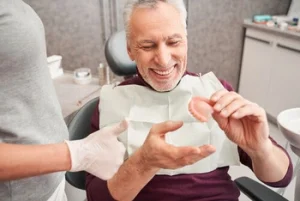 Partial dentures act as replacement teeth where gaps exist, helping replace missing teeth without disturbing remaining natural teeth. That balance matters when missing teeth or lost teeth have already changed how your mouth feels. Whether you are filling gaps caused by tooth decay, gum disease, or other dental treatment, comfort often depends on how well the denture works alongside your natural teeth rather than competing with them.
When missing natural teeth are replaced thoughtfully, the goal is not to mimic a complete denture or full dentures. Instead, partial dentures offer a way to support oral health while respecting the teeth you still have. For some, that means stabilising a few teeth. For others with multiple missing teeth, it is about regaining confidence during daily conversations or meals.
Comfort also involves how dentures offer support without overwhelming the mouth. A removable partial denture should feel present without feeling intrusive. When the design suits the mouth and the remaining teeth, many find their self-confidence grows naturally over time, not because the denture draws attention, but because it stops demanding it.
What Shapes How Comfortable Partial Dentures Feel Over Time
Comfort does not arrive all at once. It is shaped gradually by how your mouth responds and how the denture behaves during daily use.
Your remaining teeth play a crucial role in how comfortable partial dentures feel. When pressure is shared evenly across existing teeth and gums, the denture tends to feel more stable. Real teeth absorb force differently from replacement teeth, and that difference affects how the denture settles when you chew or speak.
If the remaining natural teeth are healthy, they help protect surrounding tissues and reduce strain on the gums. When that balance is off, discomfort can appear in places you did not expect. Comfort improves when the denture respects how your teeth already work together.
How the Denture Sits Against the Gums
The way a denture fits your mouth influences how it feels minute by minute. A secure fit does not mean tight pressure. It means a contact that feels steady without rubbing or creating sore spots.
Poorly fitting dentures can irritate gum tissue and make you constantly aware of the denture’s edges. When a partial denture fits properly, it works with the patient’s mouth rather than against it. A mouth healthy enough to tolerate gentle contact usually adapts more easily than one already under strain.
Material Choice and Flexibility
Denture materials influence comfort more than many realise. Acrylic partial dentures feel different from metal partial dentures, and both differ from designs using flexible material. Acrylic resin and an acrylic base often feel lighter, while metal dentures with a metal framework offer firmness through cobalt chromium alloy and metal clasps.
Each option behaves differently under pressure. Other denture materials may feel softer at first but shift more during use. Metal frameworks tend to hold shape longer but come with a higher cost. Comfort is not about choosing one material universally. It is about how that material interacts with your mouth.
Changes in the Mouth After Tooth Loss
The mouth does not stay still after teeth are lost. Bone loss, gum changes, and subtle movement can all influence how comfortable dentures feel over time. Lost teeth alter how force travels through the mouth, and that shift affects the gums even years later.
Other factors, such as gum disease or earlier tooth decay, can influence sensitivity. Comfort often improves when these changes are acknowledged rather than ignored. Partial dentures respond well when designed for the mouth you have now, not the one you remember.
How Comfort Evolves Once Partial Dentures Become Part of Daily Life
Once partial dentures move from something new to something familiar, comfort often becomes easier to notice and easier to trust.
The Early Awareness Phase
New dentures almost always feel noticeable at first. During the adjustment period, wearing dentures may bring awareness you did not expect. Wearing partial dentures can feel odd in the beginning, not because something is wrong, but because the mouth is learning a new pattern.
That awareness usually fades as the mouth adapts. The key is recognising that early sensations are part of adjustment, not a verdict on comfort long term.
 Eating Without Overthinking Each Bite
 Eating Without Overthinking Each Bite
Eating and speaking are often where comfort is tested first. Hard foods and sticky foods may feel challenging early on, especially when food particles collect in unfamiliar places. Over time, chewing becomes less conscious as the denture settles.
Many find they can chew food effectively again without concentrating on each bite. Comfort grows when eating no longer feels like a task you must manage consciously.
Speaking With Less Self-Monitoring
Speech changes can make you feel self-conscious early on. Artificial teeth behave differently from natural teeth, even when designed carefully. At first, you may notice certain sounds or mouth movements more than usual.
As confidence builds, speech usually becomes smoother. A natural appearance helps here, not because it looks noticeable, but because it stops drawing attention away from what you are saying.
When the Denture Starts to Feel Familiar
A removable partial often becomes easier to forget once it fits comfortably. Dentures settle into daily habits, and routines like removing or inserting them feel automatic rather than awkward.
This stage often marks a shift from noticing the denture to trusting it. Comfort at this point is quiet, not obvious, which is usually a good sign.
Signs Comfort Is Improving Naturally
Comfort tends to improve when necessary adjustments are minor rather than constant. Small refinements guided by a dental professional help the denture sit better without overcorrecting.
Treatment options vary, but a partial denture solution often feels successful when it stops demanding attention. Comfort shows up when daily use feels predictable rather than cautious.
Final Thoughts on Comfort and Partial Dentures
 Partial dentures are not a quick fix, but they can offer steady support when designed with care. Whether compared briefly to dental implants, implant-supported dentures, complete denture designs, or other tooth replacement options, partial dentures remain a practical choice for many situations. Modern technology has refined how dentures are made, but comfort still depends on how well the denture respects your mouth.
Simple habits such as using a denture brush or a small amount of denture adhesive can support comfort, but the foundation always comes back to fit and design. When comfort grows gradually, it often feels natural rather than forced. That quiet reliability is what many value most.
If you are exploring whether partial dentures suit your mouth or if comfort has been inconsistent, a conversation with our prosthetist can help clarify next steps without assumptions. To arrange a visit or talk things through, please contact us on (07) 5317 1023 or (07) 5315 8076.
References
https://www.dentalhealth.org/bridges-and-partial-dentures
https://www.healthline.com/health/dental-and-oral-health/partial-denture

If you are missing one or more teeth, but still have some remaining on your arch, your dentist may recommend a partial denture as a Read more

If you have several missing teeth but not an entire arch, you may be eligible for partial dentures. In order to support a partial denture, Read more

If you have lost a tooth, there are a few different ways that you can complete your smile. A dental bridge, a dental implant and Read more

Don't let multiple missing teeth ruin your smile. Your prosthetist can provide a removable partial denture to restore your smile and confidence and prevent the Read more
Recent Comments