
 Call Buderim
 Book Appointment
Denture tablets often end up within easy reach, especially when you are already thinking about keeping your mouth clean. At some point, it is natural to wonder whether they could work beyond dentures, particularly on teeth that feel harder to keep fresh. The question usually does not come from carelessness, but from trying to simplify a routine that already feels busy. Knowing where denture tablets belong, and where they do not, helps you make choices that support comfort without creating problems later.
Understanding How Denture Tablets Interact With Natural Teeth
You might spot denture tablets near the sink and pause for a moment. They smell clean, they fizz away residue, and they promise freshness, so it is natural to wonder whether they could also help with natural teeth.
Purpose Behind Denture Tablets
Denture tablets were developed for a very specific cleaning process. They are designed to work during soaking, when appliances are removed from the mouth and placed into water. Their role is to help clean dentures by loosening surface deposits, breaking down food particles, and reducing odour. This approach suits artificial teeth, which can be handled outside the mouth without risk to soft tissue.
If you have ever cared for false teeth, you will recognise how different that routine feels from brushing your own teeth. Tablets activate only once submerged, releasing agents that target buildup across the denture surface. This is why their use sits firmly within appliance care, not everyday tooth cleaning.
Difference Between Denture Materials And Enamel
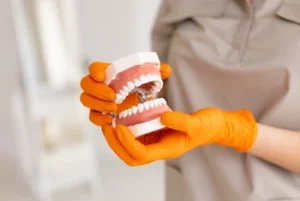 The materials used for dentures and teeth behave in very different ways. Plastic dentures are slightly porous and respond well to soaking products. Enamel is mineral-based and depends on a smooth, stable surface to protect what lies beneath. When remaining natural teeth are exposed to products meant for soaking appliances, that balance can shift quietly.
This difference matters even more if you wear partial dentures, where appliances sit beside teeth. A product that suits one surface may influence the other over time. Many types of dentures are designed to tolerate chemical exposure in ways enamel simply is not.
Chemical Action Versus Everyday Tooth Surfaces
Denture tablets rely on chemical release to loosen buildup. That chemical action works well in water, away from tissues, but it was never intended for direct contact with teeth or gums. Your teeth already face temperature changes, saliva flow, and daily brushing. Adding an extra chemical step increases unnecessary exposure.
If you use denture tablets on teeth, the concern is not an immediate reaction. The issue lies in a gradual surface change that may not be obvious until sensitivity or roughness appears.
Where Denture Tablets Can Create Problems For Natural Teeth
When denture tablets are used on teeth, problems tend to develop slowly. You may not notice anything at first, which is why the habit can continue without question.
Surface Changes Enamel May Experience
Enamel relies on smoothness to resist plaque and stains. Exposure to soaking agents can alter that surface, making it easier for plaque to build up and settle. You might notice that brushing feels less effective, even when your routine has not changed. Once enamel texture changes, it becomes harder to remove plaque, and deposits return more quickly.
Irritation Risk Along The Gum Margin
The area where teeth meet the gums is sensitive. Residue left behind after tablet use can irritate this margin, leaving it tender or dry. Over time, this irritation can affect comfort and increase sensitivity during brushing. Healthy gums play a role in maintaining oral health, so avoiding unnecessary exposure helps keep that balance steady.
Effects On Existing Fillings And Crowns
Many mouths include restorative work. Fillings and crowns may respond unpredictably to soaking agents, especially with repeated exposure. These changes can weaken surfaces or dull their finish, increasing the chance of further damage even when brushing habits stay consistent. This becomes more relevant when appliances include metal parts, which require additional care.
Dry Mouth Reactions After Repeated Exposure
Chemical cleaners can interfere with saliva balance. When saliva flow feels reduced, bacteria multiply more easily. This creates an environment where odour-causing bacteria thrive, often contributing to bad breath and discomfort. Saliva supports protection and comfort, so preserving it matters.
Taste Changes Some Notice Over Time
Taste depends on a balanced oral environment. Some notice lingering flavours or altered taste after using inappropriate cleaners on teeth. While this often settles once habits change, repeated exposure increases the likelihood of longer-lasting effects.
Better Ways To Keep Your Natural Teeth Feeling Clean
Caring for teeth does not require shortcuts. Simple, consistent habits support comfort and cleanliness without unnecessary risk.
Products Designed For Daily Tooth Cleaning
Teeth respond well to tools made for enamel. A soft-bristled toothbrush paired with regular toothpaste supports effective cleaning without abrasion. These products are designed for repeated use and protect surface integrity.
Avoid relying on teeth whitening products as everyday cleaners. Whitening agents serve a separate purpose.
Brushing Pressure That Protects Enamel
Technique shapes outcomes. Using a soft brush and light pressure allows you to gently brush without wearing enamel. Slow movements help dislodge food particles while keeping surfaces intact. A soft toothbrush also makes it easier to reach along the gum edge comfortably.
Signs Your Routine Needs Adjustment
If teeth continue to feel coated despite good habits, something else may be influencing the surface. Diet, saliva flow, or appliance fit can all play a role. Addressing these factors early reduces the risk of fungal infection and ongoing irritation. A prosthetist can help identify what needs adjusting without introducing unnecessary products.
Habits That Support Long-Term Comfort
Consistency supports overall oral health. Simple steps like brushing twice daily, a thorough rinse, and mindful product choices help maintain comfort. These habits protect teeth without relying on soaking agents. Small actions repeated daily carry more weight than occasional intensive cleaning.
How To Clean Dentures Without Affecting Teeth
Dentures require their own routine, separate from tooth care. Keeping these steps distinct protects both appliances and enamel.
 Removing Dentures Before Any Cleaning Step
 Removing Dentures Before Any Cleaning Step
Always remove dentures before cleaning. This prevents contact between cleaning agents and teeth or gums. Place a folded towel in the sink to cushion the appliance in case it slips. This simple step protects both your appliance and surrounding surfaces.
Soaking Methods That Protect Denture Shape
When soaking appliances, use products intended for denture use only. A denture cleaner combined with an appropriate cleaning solution helps loosen buildup safely. Follow instructions carefully, using lukewarm water or warm water, and avoid hot water to prevent warping.
Correct soaking helps remove stains and supports comfort.
Tools That Clean Without Scratching Surfaces
Use a denture brush to reach contours without damaging the surface. Avoid a standard toothbrush, which can scratch dentures over time. Gentle brushing helps remove residue while protecting the appliance. This approach supports clean surfaces without unnecessary wear.
Products That Should Never Touch Dentures
Avoid household cleaners, liquid soap, or hydrogen peroxide. These products can damage materials and irritate tissues. Some agents may corrode metal, which is especially concerning for appliances with metal clasps or other metal parts. Stick to products designed specifically for denture use.
Handling Metal Components With Care
Appliances with metal require extra attention. Abrasive products and incorrect soaking can weaken joins or affect fit. Gentle handling preserves structure and comfort over time. This care is essential for maintaining stability.
Storage Habits Between Wears
When not worn, appliances need proper storage. Keeping them hydrated prevents drying and distortion. A quick rinse before storage removes lingering food debris and supports hygiene. Thoughtful storage helps maintain comfort for denture wearers and supports long-term use.
Keeping Tooth Care And Denture Care Separate
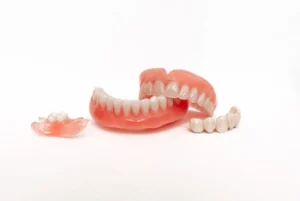 Managing both teeth and appliances can feel complex at first, but clarity makes it easier. Denture tablets have an important role in appliance care, helping manage stubborn stains, supporting dentures feeling fresh, and assisting with hygiene when used correctly. They are not designed for teeth, even though many people use them to soak dentures as part of an appliance cleaning routine.
By keeping tooth care and denture care separate, you protect enamel, maintain comfort, and support a stain-free appearance where it matters. This separation also helps limit plaque build up on natural teeth, supports a clean denture fit, and contributes to balanced hygiene across denture daily routines when you regularly clean your dentures using appropriate products.
When routines feel uncertain, our prosthetist can help you refine them in a way that suits your mouth, your appliances, and your day-to-day habits. If you would like personalised guidance, call our denture clinic on (07) 5317 1023 or (07) 5315 8076 to discuss the right care approach for you.
References
https://www.webmd.com/oral-health/dental-health-dentures
https://www.nature.com/articles/s41415-022-4397-1


Recent Comments