

Partial dentures are an excellent option for individuals who have lost some of their natural teeth. They can help maintain your smile and prevent any gaps in your mouth. This article will discuss what partial dentures are, what they do, what to consider when choosing them, and the benefits you might experience with this dental device.
What are partial dentures, and why should I consider them?
Partial dentures are removable dental devices used to replace a few or many missing teeth. They can be either fixed or removable and usually rely on suction for retention in the mouth. In some cases, clasps will hold the partial denture onto adjoining teeth. Partial dentures are typically made of plastic. Although they can be made of metal, these types of partial dentures are not widely used anymore.
Types of partial dentures
There are many types of partial dentures, depending on the number and location of your missing teeth.
Complete dentures
Complete partial dentures are replacements for all of the teeth in a single arch (either top or bottom), sometimes referred to as an upper or lower plate. This option is ideal for those with no biting power and has become increasingly popular because it does not rely on adjacent teeth and will not cause shifting.
Removable partial dentures
A removable partial denture replaces missing teeth and can be taken in and out of the mouth. This option is ideal for those that still have some biting power but want to replace one or more teeth with an artificial tooth.

A cast metal partial denture is an example of a removable denture. Cast metal partial dentures are made with a metal foundation where the replacement teeth attached are set in acrylic resin. This type of removable denture is stronger than the conventional acrylic partial denture.
Fixed partial dentures
A fixed partial denture replaces a few missing teeth and will be cemented to the remaining teeth, which it rests upon. This option is ideal for those that have lost a significant amount of their chewing ability.
Implant-retained partial dentures
An implant-retained partial denture replaces the roots of teeth and will be held in place by implants. This option is ideal for those who do not mind having their natural teeth removed and replaced with implants.
Flexible partial dentures
A flexible partial denture is what it sounds like: a replacement for one or more teeth that rests on gums. This option may be ideal for those with fractured or receding gums, who do not want full dentures.
What to consider when choosing what type of partial denture
There are many things to consider when choosing what type you want. If you are concerned about aesthetics, removable partial dentures may be what works best for you. Also, if there are no or very few natural teeth to support fixed partial dentures, implants may be what works best for you.
How to take care of your partial dentures
Partial denture care can be easy or difficult, depending on what type of partial denture you have. If the acrylic partial dentures, for instance, have clasps that fit into holes in adjoining teeth, your dentist will instruct you on how to brush around them with toothpaste, and if they need to be removed before brushing. This prevents tooth decay for the surrounding real teeth. You can also use a denture cleaner that is not too strong to affect the existing teeth.
With fixed types of partials, special care should be taken to ensure that no food particles get trapped underneath the partial. If it is removable, you must keep the metal or plastic surfaces very clean and brush them with an old (non-metallic) toothbrush. Eating soft foods is also advised so as not to exert too much pressure on your new partial denture. Likewise, your dental provider may advise you to avoid chewing gum or any chewy candy or sweets. For more information on what type of care your dentist advises, check with them directly for their recommended methods.
Important things to consider before getting partial dentures
There are a few things that you may want to consider before getting a partial. If you have no biting power whatsoever, getting an implant retained partial denture will allow your mouth to continue functioning as it did prior to losing the dentition. Also, if there are many real teeth available to support a fixed type of partial, this solution would be ideal for you.
Benefits of getting partial dentures
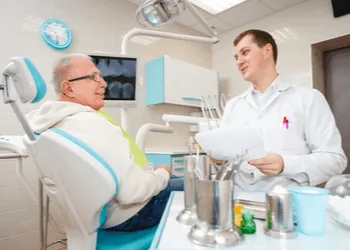
If you currently have upper or lower missing teeth, having a set of partial dentures can allow you to continue living your life as normal despite that having seemed impossible before. A removable type of conventional dentures will help save your existing teeth because you will not have to constantly remove them every time you eat, and you can continue to brush and floss as normal. Fixed partials will allow you to chew what you need with ease and minimise the chances of shifting.
A full implant-supported denture will allow you to eat what you want without any fear of shifting or food getting stuck in your artificial teeth. All types of partials have their benefits and what works best for your life will depend on what those benefits are.
Why you may want to get one, but it’s not for everyone
Wearing dentures is not for everyone, but what works best for what you need is what matters most. If you have a good set of real teeth to use as a base and would rather not go through with having your natural teeth removed, then a partial denture will work great for your upper or lower jaw. Also, if you don’t mind food particles getting trapped under your partial, then a removable one will allow you to go about what matters most to you.
Where can I go if I need more information about dental implants or partials?
If you want to learn more about flexible dentures, for instance, or you already have this tooth-replacement device but your denture breaks, you would want to learn more about all of these. If you need advice on what works best for you, check with your dentist or hygienist for their recommendations. They will be able to give you details on what might work best.
Partial dentures are dental devices that can help to improve your oral health and well-being. If you’re considering this option, it is important to consider what type of product will best suit your needs. Read on for more information about partial dentures so you can make the right decision when choosing one for yourself or your loved ones. And if you want to learn more about how dentures can help provide stability and comfort, please contact us so we can give you professional advice.
- Contact Buderim: (07) 5317 1023
- Contact Caloundra: (07) 5315 8076
References:
Dental Health and Dentures
https://www.webmd.com/oral-health/dental-health-dentures
Removable partial dentures
https://www.mouthhealthy.org/en/az-topics/d/dentures-partial
Bridges and Partial Dentures
https://www.dentalhealth.org/bridges-and-partial-dentures
Everything you need to know about partial dentures
https://www.healthline.com/health/dental-and-oral-health/partial-denture