
 Call Buderim
 Book Appointment

Dentures help replace missing teeth and support everyday functions like eating and speaking. Many people adjust well over time, but it is common to notice differences between upper and lower dentures.
Lower dentures often feel less stable than upper ones due to the shape of the lower jaw and constant tongue movement. Because of this, lower denture problems are among the most common concerns for denture wearers.
This guide explains why lower dentures can be challenging, what causes discomfort, and what solutions may help improve denture stability and comfort in daily life.
Why Lower Dentures Are More Difficult Than Upper Dentures
Upper dentures usually cover a larger surface area and rely on suction against the roof of the mouth. This suction helps hold them in place. Lower dentures, also called bottom dentures, sit on the lower jaw without that same natural suction.
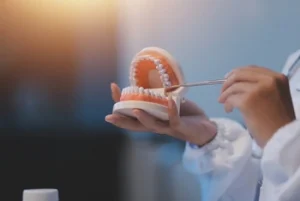 The lower jaw has:
- Less surface area.
- More movement from the tongue.
- Muscles that attach close to the denture base.
- Ongoing bone loss after teeth are removed.
Because of these factors, lower dentures may feel loose more easily. Many patients notice difficulty speaking or chewing during the early adjustment period.
This does not mean dentures cannot work well. It simply means they often require more patience, adjustment, and sometimes additional solutions.
Common Lower Denture Problems
There are several common issues that people experience with lower dentures. These include:
1. Poor Fit and Ill-Fitting Dentures
One of the most frequent lower denture problems is a poor fit. Ill-fitting dentures may move during eating or speaking. They may rub against the gums and create pressure points, leading to discomfort or pain.
A poor fit may develop gradually as the shape of your gums and jaw changes over time. When this happens, the denture may no longer sit evenly or securely.
Even new dentures may require small adjustments to achieve a comfortable fit.
2. Denture Stability Issues
Lower dentures depend heavily on balance and muscle control. Without enough denture stability, they can tip or shift when you chew or speak.
Traditional dentures rest directly on the gums. If the underlying bone has reduced significantly, the denture may not sit securely. This can make it difficult to chew certain foods or feel confident while smiling or speaking.
3. Excess Saliva Or Dry Mouth
When you first start wearing dentures, your mouth may produce excess saliva. This is a normal reaction as your body adjusts to a new appliance.
On the other hand, some denture wearers experience dryness, which can make dentures feel less secure. Saliva actually helps improve suction and comfort, so changes in saliva levels can affect denture performance.
4. Difficulty Speaking
Lower dentures can sometimes affect speech. Certain words may feel different at first, and you may notice small changes in how clearly they sound. This happens because your tongue and muscles are learning to move around the denture.
With practice, most patients adapt. Reading aloud and speaking slowly can make the transition easier.
5. Eating Challenges
Chewing with lower dentures takes practice. Unlike natural teeth, dentures do not have roots attached to the bone, so they do not provide the same strength or feedback.
At first, it is helpful to:
- Choose soft foods.
- Cut food into smaller pieces.
- Chew slowly and evenly on both sides.
Over time, muscles adapt, and chewing becomes more normal.
Why Bone Loss Affects Lower Dentures
Bone changes do not stop after the initial healing period. Even once your gums have settled and your denture feels comfortable, the underlying ridge can continue to remodel slowly over time. These changes are often subtle at first, which is why they may go unnoticed until the denture begins to feel less secure.
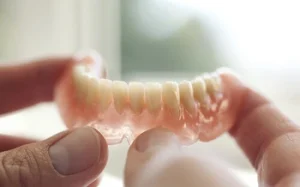 As the ridge becomes flatter or thinner, the denture base has less natural contour to rest against. A surface that was once rounded and supportive may gradually lose definition. This reduces the mechanical stability of the denture, especially during chewing when forces are applied unevenly.
Small changes in ridge height can also alter how pressure is distributed across the gums. Instead of being spread evenly, chewing forces may concentrate in certain areas. This can increase the likelihood of sore spots or irritation, even if the denture itself is not damaged.
Over longer periods, the relationship between the upper and lower dentures may shift slightly as the lower ridge changes. This can affect bite balance and may contribute to tipping or movement during function.
Because these changes happen gradually, they are often managed through maintenance rather than replacement. Periodic assessment helps identify when the internal surface of the denture no longer closely matches the gums. Addressing this early can prevent instability from becoming more noticeable.
Understanding that lower denture support can evolve over time helps set realistic expectations and highlights the importance of ongoing review rather than waiting for significant discomfort to develop.
What Is Relining And When Is It Needed?
Relining involves reshaping the inside of the denture to match the current shape of your gums and jawbone.
There are two main types:
- Soft reline
- Hard reline
A hard reline provides a more durable adjustment, while a soft reline may offer extra comfort for sensitive gums.
Relining can improve denture stability and reduce pressure points. It is often recommended when dentures no longer fit properly due to bone changes.
Managing Pressure Points And Discomfort
Some discomfort is expected when you first start wearing dentures. However, ongoing pain should not be ignored.
Common causes include:
- Ill-fitting dentures
- Uneven bite
- Sharp edges
- Gum irritation
Your dentist can adjust the denture to reduce friction. Never try to fix dentures yourself, as this may worsen the problem.
If dentures may be causing sores, early adjustment prevents further irritation.
Denture Adhesives: Do They Help?
Denture adhesives can provide additional support for lower dentures. They improve the grip between the denture and gums, especially if there is mild looseness.
However, adhesives are not a permanent solution for severe fit issues. If you rely heavily on adhesives, it may indicate that the denture needs adjustment or relining.
Adhesives should be used as directed and applied to clean dentures and clean gums.
Implant-Supported Lower Dentures
For patients struggling with ongoing lower denture problems, implant-supported options may provide a more secure solution.
Dental implants are small titanium posts placed into the jawbone. These implants act as anchors to support a denture.
An implant-supported lower denture attaches to implants, improving:
- Denture stability
- Chewing ability
- Comfort
- Confidence
Because implants stimulate the bone, they also help reduce further bone loss.
This option is not suitable for everyone, but it may be discussed with your dentist if traditional dentures feel unstable.
Emotional And Social Adjustment
Adjusting to dentures is not only physical. Some patients feel self-conscious when they start wearing dentures. It may take time to feel comfortable smiling or speaking in social settings.
Remember that dentures are designed to restore appearance and support daily function. Most people around you will not notice small adjustments or learning moments.
If you feel unsure, speak openly with your dentist. Support and reassurance can make the transition easier.
Adjustment Period: What To Expect In The First Few Weeks
The first few weeks with lower dentures are often a learning period. Even when the denture fits well, your mouth needs time to adapt to a new shape and sensation.
In the first few days, it is common to feel increased awareness of the denture. You may notice mild pressure in certain areas or a feeling of fullness in the mouth. Some people also experience temporary changes in saliva flow as the body responds to the new appliance. These early reactions do not necessarily mean something is wrong. Your muscles, tongue, and soft tissues are adjusting to a different position.
During the first one to two weeks, small sore spots can sometimes develop. These areas are usually caused by minor pressure points and can often be corrected with simple adjustments. Follow-up visits during this stage are common and expected. It is important not to try to modify the denture yourself. Instead, let your dentist make careful refinements.
Speech and chewing often improve gradually over several weeks. You may initially favour one side when eating, but learning to chew evenly can improve balance and stability. Muscle coordination becomes more natural over time, and movements that once felt awkward begin to feel more controlled. Many patients report that consistency helps. Wearing the denture as advised and practising speaking or eating slowly can support this process.
It is also normal for confidence to build gradually. Early frustration is common, especially with lower dentures, but steady improvement is expected in most cases. If pain is persistent, if sores do not settle, or if the denture feels unstable despite adjustment, a review appointment is important.
Understanding that adaptation takes time can make the process feel more manageable and realistic.
Practical Tips For Everyday Life
Living comfortably with lower dentures often involves small daily habits:
- Clean dentures daily.
- Brush gums gently.
- Attend regular dental check-ups.
- Avoid biting hard foods with the front lower teeth.
- Chew evenly on both sides.
Practice makes a difference. Many denture wearers report that things feel awkward at first but become more normal with time.
When To See A Dentist
You should see your dentist if you experience:
- Ongoing pain
- Dentures that constantly feel loose
- Difficulty chewing soft foods
- Sores that do not heal
- Sudden changes in fit
Lower denture problems can often be improved with small adjustments, relining, or discussion about alternative solutions.
Can Lower Dentures Ever Feel Completely Normal?
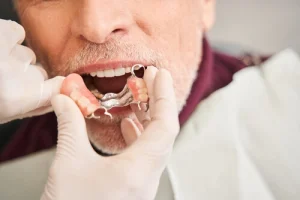 Lower dentures will not feel identical to natural teeth. However, many patients achieve a comfortable fit and regain confidence in eating and speaking.
With proper care, regular adjustments, and realistic expectations, dentures can support quality of life.
Some people may eventually consider implants for added stability, while others manage well with well-fitted traditional dentures.
The key is ongoing care and communication with your dentist.
Final Thoughts
Lower denture problems are common, especially during the early stages of wearing dentures. The shape of the lower jaw, muscle movement, and bone changes all affect denture stability.
Ill-fitting dentures, difficulty speaking, excess saliva, and discomfort are common issues, but they often improve with time, adjustment, and proper care.
If you’re concerned about lower denture stability, discomfort, or ongoing fit issues, or if you would like clearer guidance on managing lower dentures day to day, book a consultation with us at Custom Denture Clinic or get in touch at the location that suits you.
Contact Buderim: (07) 5317 1023
Contact Caloundra: (07) 5315 8076
Note: Any surgical or invasive procedure carries risks. Before proceeding, you should seek a second opinion from an appropriately qualified health practitioner.
Resources
“Higuera, V. (2021). ‘How to Care for Your Dentures’. Healthline, 1 February. San Francisco, CA: Healthline Media. https://www.healthline.com/health/denture-care”
“Mayo Clinic Staff. (2024). ‘Dental Implant Surgery’. Mayo Clinic, 23 October. Rochester, MN: Mayo Foundation for Medical Education and Research. https://www.mayoclinic.org/tests-procedures/dental-implant-surgery/about/pac-20384622”
“Colgate Editorial Team. (n.d.). ‘Soft Food Diet Options: What To Eat After Dental Treatment’. Colgate, n.d. New York, NY: Colgate-Palmolive Company. https://www.colgate.com/en-us/oral-health/nutrition-and-oral-health/soft-food-diet-options-what-to-eat-after-dental-treatment”
“Cleveland Clinic. (2023). ‘Dry Mouth (Xerostomia)’. Cleveland Clinic, 15 September. Cleveland, OH: Cleveland Clinic. https://my.clevelandclinic.org/health/diseases/10902-dry-mouth-xerostomia”


Recent Comments