
 Call Buderim
 Book Appointment
Denture comfort often becomes noticeable in the smallest moments, during a meal, a conversation, or when something simply feels different against your gums. Those shifts tend to stand out once daily routines highlight pressure, movement, or changes in how a denture sits. Familiar designs may still function, yet subtle differences in feel can prompt closer attention to materials and fit. What are flexible dentures? The term often appears during these moments, especially when adaptability and comfort start to matter more than familiarity. Understanding how flexible designs behave in the mouth helps set expectations before any decisions are made.
What Are Flexible Dentures
Flexible dentures are removable dental appliances made from flexible materials rather than rigid acrylic or metal frameworks. They are commonly used as partial dentures when one or a few teeth are missing, allowing the denture to adapt to the shape of the gums and surrounding natural teeth. Instead of resting firmly on hard bases, the denture bends slightly with movement, which can influence comfort and fit. These designs are often considered a modern alternative to more traditional constructions used in everyday dentures. Flexible partial dentures are often chosen when support is needed without placing rigid pressure on neighbouring teeth or gum tissue.
How Flexible Dentures Are Typically Made and Fitted
The First Assessment Sets the Direction
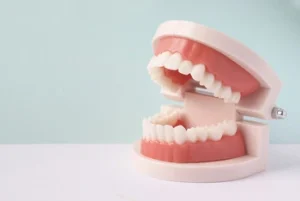 The process begins with an assessment of your mouth, including the condition of the remaining teeth, gums, and overall bite. This step helps determine whether flexible dentures are suitable for your situation and how they can be tailored to support comfort, function, and everyday wear.
The number and position of missing teeth influence whether a flexible approach is recommended. Consideration is also given to oral health, gum condition, and how the denture will interact with surrounding structures. This discussion sets realistic expectations from the start.
This evaluation also highlights where flexible designs may differ from conventional dentures in both feel and long-term wear.
Impressions Capture the Natural Shape of Your Mouth
Accurate impressions are taken to record the contours of the gums and existing teeth. These impressions guide the shape of the denture, so it follows natural contours rather than forcing a uniform base. Capturing these details helps reduce pressure points that can lead to gum irritation.
The goal is a denture that sits comfortably without creating tension during movement. Precision at this stage influences long-term comfort.
Unlike traditional dentures, flexible designs rely heavily on precise contouring rather than bulk for stability.
Material Selection Influences Comfort and Fit
Flexible dentures are commonly made from thermoplastic materials, including thermoplastic nylon and other nylon-based materials. These differ from traditional denture materials such as acrylic or metal frameworks. The manufacturing process allows the material to remain slightly elastic once formed. This elasticity contributes to a softer material feel against the gums. Material choice plays a major role in how the denture behaves during everyday use.
Some advanced materials are selected specifically to reduce the likelihood of allergic reactions in sensitive mouths.
Fitting Appointments Focus on Feel and Function
During fitting, adjustments are made to support a comfortable fit without forcing the denture into place. Attention is given to how the denture flexes during speech and chewing. The aim is stability without rigidity, especially around areas of sensitive gums or gum sensitivity. Feedback during this stage is important, as small refinements can reduce the chance of causing discomfort later. Once fitted, guidance is provided on daily use and care.
For those with known metal allergies, flexible designs offer reassurance due to the absence of metal elements.
Why Some Choose Flexible Dentures Over Traditional Designs
Soft Edges Can Reduce Pressure on Gums
One reason flexible dentures appeal to many patients is the way the edges sit against the gums. Unlike rigid dentures with hard borders, flexible designs adapt slightly to movement. This can feel gentler on the patient’s gums, especially where the tissue is easily irritated. The absence of sharp pressure points can support day-to-day comfort. Over time, this may help reduce soreness linked with conventional designs. This adaptability is often listed among the key benefits of flexible dentures for comfort-focused wearers.
Metal-Free Design Changes Visual Appeal
Flexible dentures are typically metal-free, which means they do not rely on metal components, metal frameworks, or metal clasps to stay in place. This can be appealing for those concerned about visible metal clasps when smiling or speaking. The base often blends with the natural colour of the gums, supporting a more subtle appearance. For some, this contributes to an aesthetically pleasing result. This difference becomes noticeable when compared with designs that require metal clasps.
Avoiding metal also reduces the chance of irritation caused by certain materials in the mouth.
Flexibility Alters How the Denture Moves
Because flexible dentures bend slightly, they respond differently to chewing forces than regular dentures or regular partial dentures. Rather than shifting as a solid unit, the denture adapts to movement in the mouth. This behaviour can support a feeling of enhanced comfort during daily wear. Flexible dentures tend to feel less intrusive in motion. That difference is often noticed early on. This movement pattern differs noticeably from the behaviour of conventional dentures during chewing and speech.
Lightweight Feel Can Improve Day-to-Day Comfort
Compared with metal dentures or acrylic dentures, flexible designs are often lighter. This reduced weight can make a difference during longer periods of wear. The denture may feel less noticeable throughout the day, especially for those adjusting from traditional options.
Comfort during routine activities like talking or eating can influence overall satisfaction. These qualities are often listed among the key benefits.
Caring for Flexible Dentures in Everyday Life
Gentle Cleaning Protects the Flexible Surface
Daily care focuses on maintaining hygiene without damaging the surface. Flexible dentures should be cleaned using a non-abrasive approach rather than harsh brushing. Using products designed to clean flexible dentures helps preserve the material. Avoiding aggressive scrubbing reduces the risk of surface wear. This supports both comfort and longevity.
A mild cleaning solution is usually recommended to protect the flexible surface while removing debris.
Handling Habits Help Maintain Shape
Although flexible, the denture should still be handled carefully. Excessive bending outside the mouth can affect the fit over time. Following guidance on storage and handling supports shape retention. Flexible dentures stay comfortable when treated with consistency. Good habits protect function and fit. Careful handling becomes especially important when flexible designs replace older, rigid options.
Regular Reviews Support Ongoing Comfort
Over time, changes in the mouth may affect how the denture sits. Regular reviews allow small adjustments before issues develop. These visits help monitor gum health and overall oral health. Early attention can reduce the risk of irritation or instability. Ongoing care supports predictable wear. This review process differs from approaches used with traditional dentures that rely more heavily on base reshaping.
How Long Do Flexible Dentures Last
Once flexible dentures start to feel comfortable, it is common to wonder how long that comfort is likely to last. These dentures are made from softer, more adaptable materials, which means they can wear differently from rigid acrylic designs over time. With careful handling and regular cleaning, many continue to function well for several years before changes in fit or flexibility become noticeable. Everyday factors such as chewing pressure, how often the denture is worn, and how it is cleaned all play a role in longevity.
Benefits and Considerations to Weigh Carefully
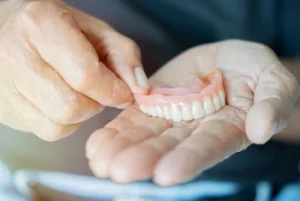 Flexible dentures can suit patients seeking an alternative to traditional dentures or traditional acrylic dentures, particularly when comfort or appearance is a concern. Their natural appearance, lightweight feel, and metal-free design can be appealing. However, it is also important to consider the disadvantages of flexible dentures, including repair limitations and a shorter lifespan compared with some rigid acrylic bases.
Flexible dentures last differently depending on care, bite forces, and material thickness. Some designs may be more prone to bacterial build-up if regular cleaning is inconsistent, and dentures require regular cleaning to maintain hygiene. Flexible dentures are not always suitable for full dentures, and full dentures may require different materials altogether. Understanding both the advantages and the disadvantages of flexible designs helps support informed choices.
Let’s Talk Through Your Denture Options Together
Choosing a denture style involves more than selecting a material; it involves comfort, appearance, and how the denture fits into daily life. Flexible designs can offer a different experience from traditional dentures, especially for partial tooth replacement. At our clinic, we take time to assess your needs, explain suitable options, and discuss what may work well for your situation. With the right guidance and proper care, flexible dentures can be a practical solution in the right circumstances. If you would like to explore whether this approach suits you, we invite you to visit our clinic for personalised advice. To take the next step, please call us on (07) 5317 1023 or (07) 5315 8076 to arrange your appointment.
References
https://my.clevelandclinic.org/health/articles/10901-denture-care
https://pmc.ncbi.nlm.nih.gov/articles/PMC10985649/


Recent Comments