
 Call Buderim
 Book Appointment

You notice it first during everyday moments, when chewing feels slightly less steady or when speaking draws attention to how your denture sits. Small changes like these can shift how confident daily routines feel. What are snap in dentures? The question often surfaces when stability and comfort begin to matter more than familiarity. These dentures sit between fixed and removable designs, offering a different way to approach support and movement. Understanding how they work helps you decide whether this style fits how your mouth feels and functions now.
How Snap-In Denture Treatment Supports Missing Teeth
Dental Implants Are Placed Into Your Jaw
Your snap-in dentures begin with dental implants placed directly into the jaw. These implants are positioned to act as attachment points for the denture rather than relying on suction or adhesive. During this stage, implant placement is planned so the denture can connect to implant fixtures instead of resting entirely on the gums. This approach differs from traditional dentures, which sit on the gum surface alone. The denture remains removable, but its retention depends on implants rather than surface contact.
Implant Numbers Are Selected During Planning
As part of your treatment planning, the number of implants is determined. In most cases, this involves two implants or four implants, depending on bone quality and functional requirements. These implants are placed into the jaw and left to integrate with the bone during a structured healing process. This phase allows the implants to stabilise before any denture is attached. The denture is not connected during this stage.
 The Denture Is Attached After Healing
 The Denture Is Attached After Healing
Once healing is complete, the denture is fitted to connect with the implants. At this stage, the denture snaps into place over the implant attachments. The attachment system allows the denture to be inserted and removed while maintaining a secure connection during wear. Because the denture connects to implants rather than resting entirely on the gums, pressure distribution changes compared with removable dentures that rely on surface contact alone. The design keeps the denture removable while using implants for retention.
What Makes Snap-In Dentures Different From Traditional Dentures
Retention Methods Affect Daily Confidence
When comparing dentures vs newer designs, the difference often becomes apparent during daily wear. Conventional dentures rely on the shape of the gums and suction for retention, which may feel unpredictable over time. Changes in the mouth can lead to looseness, especially in the lower jaw, where suction is harder to maintain.
This unpredictability can influence how relaxed everyday activities feel. Some notice increased awareness of the denture during talking or eating as retention changes.
Implant Connections Provide Enhanced Stability
Snap-in dentures, sometimes called snap-on dentures, use an implant-supported connection instead. This connection reduces movement and limits contact with sensitive areas such as the roof of your mouth, which some find more comfortable. Because of this, chewing can feel more controlled, and speech may feel steadier throughout the day.
Anchorage from implants provides resistance against sideways forces during use. This can reduce reliance on past coping strategies such as adhesives.
Ongoing Fit Remains More Consistent
Another distinction lies in how these dentures respond to wear. Traditional dentures may require frequent adjustments as the jaw changes. Implant-based designs maintain their position more consistently because the implants remain fixed. For those who have experienced frustration with shifting plates or adhesives, this difference can feel significant. Jaw changes tend to occur gradually, which often affects removable plates first. Implant support helps preserve the original fit for longer periods.
Comfort and Function Change the Experience
Although both options replace false teeth, the way they interact with the mouth varies greatly. Choosing between them depends on comfort expectations, oral anatomy, and long-term care preferences discussed with a prosthetist. Daily comfort often shapes how confident wear feels over time. Clear guidance supports decisions that align with both function and routine.
Who Snap-In Dentures Are Typically Considered For
When Stability Becomes a Priority
Snap-in dentures may be considered by those managing partial or complete tooth loss who seek improved stability. Many patients explore this option after finding standard dentures difficult to control during daily activities.
Those with adequate bone structure often qualify, as implants require sufficient support for placement. Greater stability can make speaking and eating feel less effortful throughout the day. This added control often reduces the need for frequent adjustments during wear.
Lower Denture Movement Signals Suitability
This option is also discussed with those experiencing ongoing discomfort from loose plates or difficulty maintaining retention. Individuals with a lower denture that shifts frequently may benefit from added anchorage. Snap-in systems can also suit those transitioning from older designs to a new denture that offers better function.
Movement in the lower jaw tends to be more noticeable due to tongue and muscle activity. Added anchorage can help create a steadier feel during everyday use.
Cost Considerations Shape Planning
Cost considerations play a role as well. Snap-in dentures cost can vary depending on the number of implants, materials, and preparation needs. When comparing dentures’ cost, it helps to view this option as part of broader treatment options rather than a single purchase. A prosthetist can explain how implant numbers, bone condition, and denture design influence planning.
Clear discussions around staging and timelines often help with decision-making. Understanding what is included at each step supports realistic expectations from the outset.
Daily Wear Expectations Matter
Suitability also depends on gum health and expectations around wearing dentures. A detailed assessment ensures the approach aligns with comfort, hygiene ability, and long-term goals.
Daily removal and cleaning form part of this design, which suits those comfortable with hands-on care. Open conversations help confirm whether this routine fits easily into everyday life.
How Snap-In Dentures Fit Into Long-Term Oral Care
Daily Removal Supports Cleanliness
Caring for snap-in dentures involves both the denture itself and the supporting implants. Daily removal allows cleaning of the denture and inspection of the gums, which supports routine hygiene. Because implants integrate with bone, attention to cleanliness around attachment points remains an ongoing part of care. Removing the denture also allows early changes around the gums to be noticed before irritation develops. This approach helps keep daily maintenance structured and consistent over time.
 Removable Design Supports Access
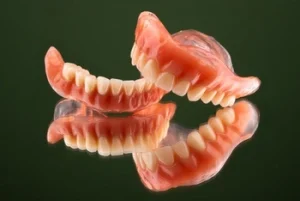 Removable Design Supports Access
A removable implant denture allows access to areas that remain difficult to clean with fixed designs. This design supports long-term use while still allowing the denture to be removed during care routines. Regular review with a prosthetist at a denture clinic helps monitor attachment wear and overall fit as conditions in the mouth change. Being able to remove the denture allows cleaning methods that fixed options do not permit. This access supports practical, ongoing care without altering the retention method used during wear.
Bite Balance Helps Prevent Bone Loss
Snap-in systems can influence how bite forces are shared when natural teeth remain in the mouth. When tooth loss is managed carefully, contact between teeth and dentures can be adjusted to reduce uneven loading. This helps limit strain on surrounding structures during function. Balanced contact also reduces the likelihood of concentrated pressure in one area. Over time, this supports a more stable chewing pattern without relying on surface contact alone.
Long-Term Use Relies on Consistent Care
Dentures require adaptation, particularly as routines become established. With consistent care and professional guidance, snap-in dentures can continue to function as intended without unnecessary disruption. Routine reviews help confirm that attachments and fit remain appropriate as conditions change. Ongoing attention to cleaning and fit supports familiarity with daily wear rather than focusing on adjustment. This consistency plays an important role in long-term management.
Take the Next Step With Guidance From Our Team
Choosing a denture solution involves more than replacing lost teeth; it involves comfort, stability, and confidence in everyday moments. Snap-in dentures offer an option worth considering when traditional designs no longer meet expectations. At our denture clinic, a prosthetist can guide you through suitability, planning, and long-term care considerations. Clear advice helps align your needs with the right approach before decisions are finalised. If you are exploring options or seeking clarity, we are here to support you. To discuss your situation and next steps, please contact us on (07) 5317 1023 or (07) 5315 8076.
Note: Any surgical or invasive procedure carries risks. Before proceeding, you should seek a second opinion from an appropriately qualified health practitioner.
References
https://www.mayoclinic.org/healthy-lifestyle/healthy-aging/expert-answers/denture-care/faq-20058375
https://www.colgate.com/en-us/oral-health/dentures/the-pros-and-cons-of-snap-on-dentures


Recent Comments