
 Call Buderim
 Book Appointment
Finding the right adhesive can make life much easier for denture wearers. Whether you use full, partial, or complete dentures, the right denture adhesive can provide a secure fit, improve comfort, and reduce movement throughout the day. Many denture adhesives work well, but choosing the strongest option depends on your needs, gum health, and denture fit. So, what is the strongest denture adhesive on the market today? This guide explores what truly makes the strongest denture adhesive on the market, how these adhesives work, and how to choose a product that supports long-term oral health.
Understanding What Makes a Denture Adhesive Truly Strong
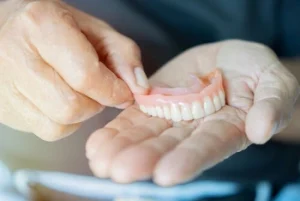 A reliable adhesive is meant to keep dentures in place without causing irritation or affecting your oral tissues. Before comparing the best denture adhesive options, it helps to understand the qualities that define a strong, reliable product. Strength is not only about staying power. It also includes comfort, safety, ease of application, and how cleanly you can remove denture adhesive at the end of the day.
Strong denture adhesive options include strips, cream, powder, pads, and cushion grip adhesives. Each type works differently, so identifying the most suitable adhesive depends on your personal needs and how well your dentures fit.
Why Strength Matters More Than Ever
Many people experience changes in their gums and bone structure over time. Moderate bone loss, sensitive gums, sore gums, or poorly fitting dentures often make it harder to keep dentures stable throughout the day. When saliva production decreases, denture wearers may also struggle with dry denture surfaces, which can prevent adhesion. All of these factors contribute to the need for a strong adhesive to support daily comfort and function.
Exploring the Different Types of Denture Adhesives
Before you can answer the question of what is the strongest denture adhesive on the market, it helps to understand how the different types work. Each offers a unique blend of hold, comfort, and ease of use.
Cream Adhesives for Everyday Security
Denture adhesive cream is one of the most common options. It spreads across the denture surface as a thin layer, creating a seal that helps keep dentures in place. Cream adhesives suit people who want a more personalised level of hold, as you can adjust the amount depending on how loose-fitting dentures feel.
Cream adhesives often provide a strong grip and can minimise food particles from becoming trapped underneath the denture. Many denture adhesives in this category are zinc-free, making them a more suitable adhesive for people with sensitivity concerns. A key advantage is how well these creams adapt to the contours of the denture surface, creating a secure fit for most denture wearers.
Adhesive Strips for a Cleaner Application
Some people prefer denture adhesive strips because they are simple, clean, and easy to use. Adhesive strips are pre-cut pieces that fit along the upper or lower denture surface. They offer a consistent layer of adhesive without the risk of applying too much. Strips suit people with sensitive gums, as the product does not spread unevenly or irritate oral tissues.
While the hold from adhesive strips may not always be as strong as cream options, many denture wearers like the control and convenience they offer. They are particularly useful for people with well-fitting dentures who only require moderate support throughout the day.
Powder Adhesives for a Lightweight Feel
Powder adhesives are popular for people who prefer a lighter, breathable hold. Denture adhesive powder requires you to sprinkle the product lightly and evenly across the denture surface. When activated by saliva, the powder transforms into a thin adhesive layer that helps dentures stay in place.
Powder adhesives offer a natural feeling and are usually zinc-free, making them a safe choice for people concerned about long-term exposure to zinc. Because powder can be applied evenly, many denture wearers find it helpful for reducing adhesive residue and improving comfort. However, adhesive powders tend to offer a less intense grip than cream adhesives, so they may not be the strongest choice for loose dentures or ill-fitting dentures.
Cushion Grip Options for Extra Comfort
Cushion grip adhesives or thermoplastic denture adhesive products act like a soft, mouldable layer between your dentures and gums. These adhesives work by forming a custom cushion that stays in place for longer periods, often lasting several days. This can help denture wearers with sore gums, moderate bone loss, or poorly fitting dentures.
Cushion grip adhesives provide a long-lasting hold and can improve the seal, but they take more time to apply and remove. Although not a permanent fix, they can serve as a temporary solution when professional adjustments are not immediately available.
Adhesive Pads and Liners for Added Stability
Adhesive pads and adhesive liners are pre-formed layers that stick to the denture surface. They offer extra padding and stability, which can be especially helpful for people with uneven oral tissues or very dry denture surfaces. While liners provide cushioning, they may not always offer the strongest hold compared to cream adhesives.
What Is the Strongest Denture Adhesive on the Market?
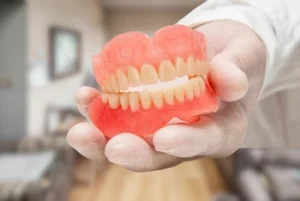 Now that you understand how each type works, the question becomes clearer. The strongest denture adhesive is generally a cream formula that provides all-day hold, stays resistant to moisture, and adapts closely to the denture surface. Among the options available, many denture wearers find that a secure denture adhesive in cream form provides the longest-lasting grip and the finest denture adhesive performance overall.
When discussing strong adhesives, the true strength of any adhesive depends on factors like denture fit, saliva production, oral tissue health, and daily habits. Cream adhesives continue to stand out because they deliver a strong, long-lasting seal when applied correctly.
What Affects the Strength of Denture Adhesives
Even the strongest denture adhesive cannot compensate for major fit issues. Strong adhesion depends on how well the denture fits your mouth and how healthy your gums and oral tissues are.
Denture Fit Matters More Than Adhesive
Poorly fitting dentures or loose-fitting dentures will continue to shift regardless of how strong an adhesive may be. Dentures benefit from regular checkups with a dental professional who can ensure they still match the shape of your gums. Bone loss, gum shrinkage, and changes in your oral mucosa can all affect the denture fit.
Saliva Production and Its Impact
Adequate saliva production helps most denture adhesives work properly. If your mouth is too dry, powder adhesives or cream adhesives may not form a proper bond. On the other hand, too much saliva can cause the adhesive to thin out. A lightly moistened denture may help balance this issue.
Oral Tissues and Sensitivity
Sensitive gums or sore gums can limit how much adhesive you can use. Zinc-free denture adhesives and natural alternatives may help soothe irritation. Aloe vera gel, for example, is sometimes used for its soothing and moisturising properties, offering relief without causing discomfort.
Tips for Applying Denture Adhesive for Maximum Strength
Using a strong adhesive is only half the equation. Proper application ensures better results and helps dentures stay secure throughout the day.
Clean Dentures Before Application
Cleaning dentures thoroughly helps adhesives bond better. Use a soft-bristle brush or a soft brush to remove food particles, plaque, and remaining adhesive from the previous day. A clean surface improves the performance of many denture adhesives and prevents irritation.
Apply a Thin Layer
Whether you choose denture adhesive cream, adhesive powder, or adhesive pads, applying a thin layer is usually more effective than using too much. Excessive adhesive can create problems such as adhesive residue, difficulty cleaning dentures, and unnecessary pressure on the gums.
Spread Adhesive Powder Evenly
If you prefer adhesive powder, sprinkle it lightly and evenly so the denture surface is covered without clumps. This helps create a smooth, secure fit when the denture is placed in the mouth.
Insert Dentures Correctly
After applying the adhesive, place the denture in your mouth and bite down gently for a few seconds to secure the hold. Allow the adhesive to activate with saliva for the strongest effect.
Natural Alternatives That Some Denture Wearers Explore
Some people prefer natural alternatives to traditional adhesives. While these may not provide the strongest denture adhesive on the market, they can help support comfort and gum health. Aloe vera gel, for example, can offer soothing and moisturising properties that help reduce irritation and dryness. Although it should not be used as a replacement for a suitable adhesive, it may bring comfort to sensitive gums.
Saltwater rinses, herbal rinses, or moisturising products may help maintain oral health, especially for those with sensitive oral tissues. However, when it comes to strength and stability, traditional denture adhesives remain the most reliable option.
How to Remove Denture Adhesive Without Irritation
Removing adhesive at the end of the day is just as important as applying it correctly. Built-up adhesive residue can affect denture fit and irritate your gums.
Use Warm Water to Loosen Adhesive
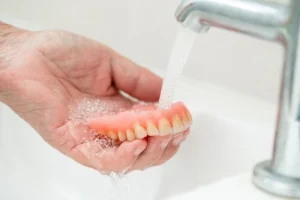 Rinsing with warm water can help soften the adhesive, making it easier to remove dentures in place without discomfort.
Gently Brush the Denture Surface
Use a soft brush to remove denture adhesive residue. Avoid harsh scrubbing, especially if your dentures have soft or delicate areas.
Clean Your Gums Too
After removing dentures, clean your gums thoroughly. This helps maintain oral health and prevents irritation from the remaining adhesive.
When Denture Adhesive Is Only a Temporary Solution
Even the strongest adhesive is not a long-term fix for ill-fitting dentures. If your dentures shift frequently or cause discomfort, it may be time to consult a dental professional. Adhesives can support dentures during the day, but they cannot replace the need for adjustments, relining, or new dentures.
A dental professional can examine changes in oral tissues, check the denture surface, and ensure that your dentures continue to fit well. For people with moderate bone loss or major gum changes, additional treatment may be needed to restore stability.
Frequently Asked Questions
Are zinc-free denture adhesives strong enough?
Yes. Many zinc-free denture adhesives provide excellent hold without causing irritation for people with sensitive gums. They can be just as effective as traditional adhesives when paired with a well-fitting denture.
How long does denture adhesive usually last
Most denture adhesives are designed to last all day, although the exact duration depends on saliva production, eating habits, and how well the denture fits. If your dentures loosen quickly, it may indicate a fit issue rather than an adhesive problem.
Can adhesive fix loose-fitting dentures?
Adhesive can help stabilise loose dentures temporarily, but it is not a long-term solution. If your dentures feel loose regularly, you may need a relining or a professional adjustment to improve the fit.
Are adhesive powders as strong as creams?
Adhesive powders offer a lighter, more natural feel, but they usually provide less holding power than cream adhesives. They work best for denture wearers with well-fitting dentures who need moderate support.
How do I remove denture adhesive safely?
Rinse your mouth with warm water to soften the adhesive. Then gently brush your gums and the denture surface with a soft-bristle brush to remove remaining adhesive. Avoid harsh scrubbing to protect your oral tissues.
Can I use too much denture adhesive?
Applying too much adhesive can create unnecessary pressure on the gums and leave behind excessive residue. A thin layer is usually all you need for a secure fit. If you feel the need for extra adhesive, your dentures may require an adjustment.
What should I do if the denture adhesive irritates my gums?
Switching to a zinc-free adhesive or a formula designed for sensitive gums may help. If irritation continues, consult a dental professional to ensure there are no underlying issues like ill-fitting dentures or gum inflammation.
Are natural alternatives strong enough to replace denture adhesive?
Natural alternatives such as aloe vera gel may offer soothing and moisturising properties, but they cannot replace the strength of traditional denture adhesives. They may help with comfort, but are not suitable for holding dentures in place.
When should I speak to a dental professional about my denture adhesive?
If your dentures move frequently, cause discomfort, or require increasing amounts of adhesive to stay in place, it is recommended to seek professional advice. These signs often indicate a denture fit issue rather than an adhesive problem.
Final Thoughts: Choosing the Strongest Denture Adhesive for Your Needs
Finding the strongest denture adhesive on the market involves more than picking a single product. The most effective adhesives are the ones that match your denture fit, gum condition, and daily comfort needs. For most denture wearers, cream adhesives provide the strongest and most reliable all-day hold. Adhesive powders, adhesive strips, adhesive pads, and cushion grip options all have their advantages, but cream remains the most dependable option when maximum strength is needed.
The right adhesive supports comfort, improves stability, and helps you enjoy eating, speaking, and smiling with ease. By maintaining good oral hygiene, cleaning dentures daily, and seeking professional advice when needed, you can ensure long-term denture success and better overall oral health.
If you need help finding the most suitable adhesive or improving your denture fit, contact Custom Denture Clinic at (07) 5317 1023 or (07) 5315 807 for personalised guidance and professional care.
References
Polident New Zealand. (n.d.). How can I stop dentures being loose-fitting? Retrieved from https://www.polident.com/en-nz/denture-journey/life-with-dentures/how-can-I-stop-dentures-from-being-loose-fitting/
Cleveland Clinic. (n.d.). Saliva (spit): What to know. Retrieved from http://my.clevelandclinic.org/health/body/saliva
Koay, C. G., Veettil, S. K., & Menon, R. K. (2024). Comparative effectiveness of types of denture adhesives in enhancing retention and function of complete dentures: A systematic review with network meta-analysis. Clinical Oral Investigations, 28(1), 78. https://link.springer.com/article/10.1007/s00784-023-05467-4
Higuera, V. (2021, February 1). Denture care: How to properly clean and maintain your false teeth. Healthline. Retrieved from https://www.healthline.com/health/denture-care
Darshan, M., Kattimani, P. T., Sherlin, G., Sheshnag, G., & Pawan. (2025). Probiotics and Aloe vera as eco-conscious fungal barriers in dentures: Original study. International Journal of Applied Dental Sciences, 11(4), 440-445. https://doi.org/10.22271/oral.2025.v11.i4d.2280


Recent Comments