
 Call Buderim
 Book Appointment

If your mouth no longer feels as reliable as it once did, it can quietly affect how you eat, speak, and relax your jaw. Full dentures are usually considered when those changes begin to interfere with daily comfort. Here, we break down what full dentures are, how the process unfolds, and how they function in real life.
Understanding Full Dentures When Natural Teeth Are Missing
Full dentures replace a complete set of teeth after significant tooth loss, particularly when partial dentures are no longer practical. Unlike natural teeth, they sit on the gums and rely on fit rather than roots, which is why planning matters. Some wear conventional full dentures, while others compare them with traditional dentures, depending on comfort and expectations. Whether for the upper or lower jaw, the goal is steady function rather than appearance alone.
The Steps Involved in Getting Full Dentures
Every stage plays a role in how settled your dentures feel once daily use begins.
 Your First Appointment and Initial Planning
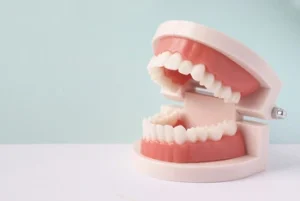 Your First Appointment and Initial Planning
Your first visit focuses on understanding how the remaining teeth, the jaw, and existing bone shape affect fit. Your prosthetist looks at bone loss, bite patterns, and how your facial structure rests when the mouth is closed. This conversation helps decide whether traditional dentures or implant-supported dentures should be discussed as alternatives. Several factors influence this stage, including comfort goals and long-term wear.
Mouth Records and Impressions
Careful impressions are taken to create dentures that sit securely without pressure points. These records allow dentures to be tailored specifically to your mouth rather than shaped generically. Each step helps form a base that supports oral health over time, especially when bone loss is present.
Trial Dentures and Early Changes
Trial fittings allow adjustments before final placement. These appointments help refine speech, bite balance, and comfort, especially when dentures are custom-made. Minor refinements at this stage reduce the need for later changes once new dentures are worn daily.
Final Fit and Early Wear Period
Once fitted, wearing dentures can feel unfamiliar at first. Muscles adapt gradually, and follow-up visits allow necessary adjustments as tissues settle. This period is part of adapting, not a sign of poor fit.
How Full Dentures Can Improve Daily Life
The benefits often appear quietly through everyday moments rather than sudden change.
- More control while eating: A full denture provides support across the arch, making eating feel more predictable. Over time, many find returning to favourite foods becomes easier as balance improves.
- Clearer speech during conversation: Missing teeth can affect sound formation. Full dentures provide a stable surface that supports clearer speech once muscles adapt.
- Better jaw support at rest: When teeth are absent, the jaw may sit differently. Dentures help support spacing, influencing comfort at rest and helping the face feel more settled.
- Greater consistency across daily routines: Routine tasks feel easier when the denture responds consistently during dentures’ daily wear, reducing the need for constant awareness.
- Renewed ease in social settings: As the function becomes familiar, self-confidence often improves. Comfort tends to matter more than appearance, especially during longer conversations or shared meals.
How You Can Care for Full Dentures Long Term
Daily habits play a large role in how dentures feel over time.
- Clean gently to protect surfaces: Use a denture brush with mild soap, avoiding abrasive products. A denture cleaning solution can be used as directed to support hygiene without damaging the denture surface.
- Remove dentures overnight to rest tissues: Taking dentures out at night gives the gums a break from daily pressure and supports ongoing comfort.
- Store dentures safely between wear: When dentures are out of the mouth, keep them in clean water to help prevent drying or warping.
- Watch for looseness or sore spots: Changes in fit can happen as the mouth adapts. Addressing these early helps prevent irritation and supports denture care over time.
- Keep review visits part of routine care: Regular check-ins allow your prosthetist to review fit, comfort, and overall oral health before concerns develop.
- Know when adjustments should not wait: Ongoing discomfort is a sign to seek review rather than continuing to wear dentures without guidance.
Considering Cost and Long-Term Planning
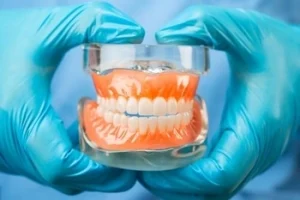 Understanding dentures’ cost helps set expectations early. Full dentures are often a cost-effective option compared with surgical alternatives, though pricing varies. Factors such as materials, follow-up care, and whether implants are involved all play a role. Some clinics, including ours, offer payment plans to support access without pressure. While dentures are not a long-term solution for every situation, they suit many mouths when planned carefully by an experienced team within a comprehensive range of options.
Full dentures do not restore teeth in the same way roots once did, but they can support daily comfort when shaped thoughtfully. Some compare them with implant-supported dentures or dental implants, especially when stability is a concern. Each option has its place depending on anatomy and goals.
Let’s Look at What Works for You
Choosing full dentures is rarely about appearance alone. It is about how the denture fits your life, supports your jaw, and settles into everyday routines in a way that feels natural. When dentures are designed specifically for your mouth, they tend to sit more comfortably and feel easier to live with over time, even when used as false teeth after long term changes.
A conversation with our prosthetist allows you to explore options without assumptions, focusing on fit, function, and care rather than labels when remaining natural teeth can no longer be maintained. Full dentures are often considered when replacing missing teeth becomes the priority, with complete dentures offering a practical way to restore everyday comfort.
If you would like to discuss whether full dentures suit your needs or review an existing denture, contact our clinic on (07) 5317 1023 or (07) 5315 8076 to arrange a visit and talk things through properly.
References
https://www.dentalhealth.org/dentures
https://www.sciencedirect.com/topics/nursing-and-health-professions/complete-denture


Recent Comments