
 Call Buderim
 Book Appointment

Tooth loss often brings gradual changes, and the first signs people notice are usually practical rather than visual. Meals may take more effort, speech can feel less steady, or your mouth may not rest the way it once did. When lost teeth begin to affect daily routines, full dentures are often explored as a way to bring structure back to everyday use. This article looks at the before and after experience in clear stages, helping you understand what leads to full dentures, what happens during the process, and how life can feel once everything has settled.
Signs That Often Lead You to Consider Full Dentures
Most decisions about full dentures begin with small, ongoing frustrations rather than a single moment.
 Meals Feeling Harder to Manage
 Meals Feeling Harder to Manage
Missing teeth can change how you approach food without you realising it straight away. You might find yourself avoiding certain textures or taking longer to chew, especially when back teeth no longer support the bite. When it becomes difficult to chew food effectively, meals can feel less relaxed and require more attention. Over time, these adjustments can affect your quality of life and how much you enjoy eating.
Jaw Support Feeling Reduced at Rest
Teeth play an important role in supporting the lower jaw when your mouth is closed. When teeth are missing or no longer stable, the jaw may not feel evenly supported. You may notice tension around the jaw or changes in how your facial structure sits. This shift can subtly influence your overall appearance and the way your mouth feels during quiet moments.
Speech Feeling Less Natural
Front teeth and back teeth both contribute to clear speech. When teeth are missing, certain sounds may require more concentration, leading to difficulty speaking in longer conversations. You might become more aware of how your mouth moves, especially in social settings. This awareness can make you feel self-conscious, even if others do not immediately notice the change.
Existing Teeth Losing Balance
When remaining teeth take on more pressure than they were designed for, balance across the mouth can be lost. Existing natural teeth may shift, wear unevenly, or become harder to keep clean. This strain can affect both dental health and overall health, especially if gum disease develops around the remaining teeth. At this stage, partial dentures may no longer provide enough support.
Everyday Impact Becoming Hard to Ignore
Over time, missing teeth can influence more than eating and speech. Making everyday tasks feel manageable again often becomes a priority, especially when changes begin to affect self-confidence. You may notice how your smile looks in photos or how your mouth feels throughout the day. These experiences often prompt a deeper conversation about long-term options and how full dentures might fit into one’s life.
What You Go Through Between Before and After
This stage is about the practical steps that sit between deciding on dentures and settling into daily wear.
First Appointments and Planning
Early appointments focus on understanding how your mouth functions now, so denture planning reflects current bite patterns and jaw support. Your prosthetist will look closely at how upper and lower arches meet, how your gums respond to pressure, and whether bone loss needs to be considered. This planning phase is not rushed, because replacing missing teeth successfully depends on matching the denture design to how your mouth actually works.
As part of this assessment, options such as implant-supported dentures or implant-retained dentures may be reviewed briefly to confirm whether they are relevant, allowing full denture planning to proceed with clarity.
Impressions and Bite Records
Detailed impressions are taken to help create dentures that reflect your mouth rather than a generic shape. These records guide how the dentures sit against the gums and how the lower jaw closes during use. Attention is given to both upper dentures and lower dentures, as the way each behaves can differ. When impressions are accurate, dentures are more likely to sit comfortably and move less during everyday use.
Trial Dentures and Early Adjustments
 Trial Dentures and Early Adjustments
Before you receive your final dentures, trial versions allow you to test comfort, speech, and balance. This is where traditional dentures and modern dentures differ most, as newer materials allow refinements without starting again. Small changes made here often help dentures fit comfortably and support a more stable bite. If teeth have already been planned for removal, immediate dentures may be used temporarily while tissues settle.
Tooth Removal and Healing Time
When tooth removal is part of the plan, there is a natural healing process that follows once the teeth are removed, leaving space for the denture. During this time, your gums adjust, and the mouth changes shape slightly. This is expected and factored into planning, especially for lower teeth, which can be more sensitive during healing.
How Life Often Feels Once Full Dentures Are in Place
This stage focuses less on treatment and more on how day-to-day life starts to settle once dentures become familiar.
More Control During Meals
With dentures in place, eating often becomes more structured and predictable. Instead of working around gaps, your teeth provide a stable surface that supports chewing from the front through to the back. Over time, meals often feel less effortful and less distracting, allowing you to focus on the food rather than how your mouth is coping. This sense of control can make everyday eating feel calmer and more routine.
Clearer Speech With Use
Speech usually improves as your mouth adapts to the shape of the denture. Sounds that once felt awkward often become easier as your tongue and lips learn where to rest. While this adjustment takes time, the consistency of a well-fitted denture helps speech feel less effortful. You may notice that conversations flow more smoothly without needing to think about each word.
Improved Facial Support
Full dentures support the lips and cheeks, which can influence how your face rests when you are not talking or eating. This support contributes to a natural appearance, especially around the mouth and jawline. For many, this creates a more settled look at rest without drawing attention to the denture itself.
Daily Routines Feeling Steadier
As routines become familiar, wearing dentures starts to feel like part of normal life rather than a constant adjustment. Tasks such as eating, speaking, or leaving the house often require less mental effort. Dentures can make these moments feel more manageable, supporting a comfortable solution that fits into your day without interruption.
Upper and Lower Dentures Acting Differently
Upper and lower dentures often behave differently due to anatomy. Lower dentures may take longer to feel stable, while upper dentures often rely on suction. Understanding this difference helps set realistic expectations and reduces frustration during the adjustment phase.
Confidence Growing Through Familiarity
As the function settles, many patients notice a shift in how they feel socially. A new smile that feels secure can reduce the urge to hide your mouth or avoid conversation. While results vary, this familiarity often supports a sense of ease that contributes positively to your quality of life without needing constant reassurance.
What Helps You Maintain Long-Term Results With Full Dentures
Once dentures feel familiar, everyday care and awareness play a bigger role than the fitting stage itself.
Care Habits You Keep at Home
Full dentures rely on healthy gums and consistent routines to stay comfortable. Simple habits such as cleaning dentures daily help reduce irritation and support oral health over time. Using gentle products and avoiding shortcuts keeps surfaces smooth and easier to wear. Regular cleaning also helps you notice small changes early rather than letting discomfort build.
Fit Changes You May Notice Over Time
Your mouth is not static. Subtle changes in the lower jaw, soft tissues, or bone support can affect how dentures sit. These shifts do not mean something has gone wrong, but they can influence comfort if ignored. Paying attention to looseness or pressure helps protect both dental health and day-to-day comfort.
Review Visits You Build Into Routine Care
Dentures benefit from regular check-ups, even when everything feels fine. These visits allow your prosthetist to assess fit, balance, and wear before issues develop. Ongoing reviews help maintain stability and reduce the chance of sore spots or uneven pressure.
Lifestyle Choices That Affect Daily Wear
Certain habits influence how dentures feel throughout the day. Changes in diet, stress levels, or general health can all affect comfort. Conditions such as gum disease or ongoing dryness in the mouth can alter how dentures behave, which is why awareness matters as much as cleaning.
Early Changes You Should Not Ignore
Full dentures are not a quick fix, but they can be a long-term solution when cared for properly. Soreness, movement, or difficulty eating are signs worth addressing early. Responding promptly helps dentures continue to sit well and support daily routines without disruption.
Let’s Take the Next Step Together
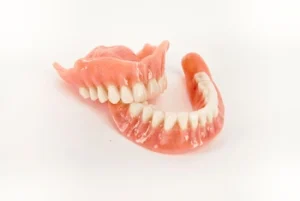 For many, complete dentures provide a practical way to regain structure and function after ongoing dental changes. When planned carefully, natural-looking dentures can support a complete smile that feels balanced rather than artificial. The focus is on helping your mouth stay in good shape so everyday tasks feel easier to manage.
Over time, this can contribute to a natural-looking smile that feels settled during conversation and meals. For those seeking clarity rather than a quick fix, this approach is often seen as an effective solution when other options no longer suit. If you would like to talk through whether this direction fits your situation, contact our denture clinic on (07) 5317 1023 or (07) 5315 8076 to arrange a visit and discuss next steps with confidence.
References
https://www.sciencedirect.com/topics/nursing-and-health-professions/complete-denture
https://www.webmd.com/oral-health/dental-health-dentures


Recent Comments