
 Call Buderim
 Book Appointment
Every smile adjusts to change differently, especially after a tooth extraction. When natural teeth are replaced, your mouth begins a new stage of recovery and adaptation. Wearing dentures after tooth extraction helps bridge this transition, offering structure and comfort while tissues heal. You might be surprised by how carefully timing, fit, and follow-up reviews guide this process. Before exploring the details, it’s helpful to know how dentures work alongside the body’s own healing rhythm.
When You Can Start Wearing Dentures After Tooth Extraction
The first question for many people is when dentures can be worn safely after extractions. This depends on how your mouth heals and what your prosthetist observes during early reviews. Each treatment follows its own timeline, shaped by gum condition and the stability of remaining teeth.
 How Healing Influences When Dentures Can Be Fitted
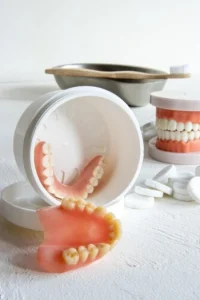 How Healing Influences When Dentures Can Be Fitted
After extractions, your gums and jaw need time to stabilise. Immediate dentures can be fitted on the same day to replace missing teeth and help maintain oral function. These act as a temporary solution while your tissue settles and swelling reduces, giving you a chance to adapt to eating and speaking early in recovery. Some patients may notice minor sensitivity or slight bleeding at first, which typically subsides as healing continues.
Why Early Fitting Sometimes Requires Temporary Dentures
Immediate dentures often need adjustment as the gums shrink. Your prosthetist monitors these changes before designing your permanent dentures, which provide longer-term stability. This two-stage approach supports both comfort and alignment while allowing for natural healing.
How Your Prosthetist Determines the Ideal Fitting Timeline
Your prosthetist assesses gum health, tissue healing, and bone support before final impressions are taken. The process involves reviewing fit and balance to avoid irritation, preparing the foundation for a reliable, long-lasting result. You can expect this careful evaluation to guide you when your final dentures are ready.
How Dentures Help During the Healing Process
Dentures do more than replace teeth; they support recovery and preserve function while your gums adapt. By protecting healing tissues and maintaining bite structure, they help you regain comfort and confidence gradually.
Ways Dentures Protect Healing Gums After Extraction
Dentures act as a shield for healing areas, reducing irritation from chewing and speaking. They also limit food debris from collecting against tender gum tissue, keeping the mouth clean and promoting oral health during recovery.
How They Support Chewing and Speaking While Tissues Recover
Dentures restore everyday function, allowing you to eat soft foods while the gums adjust. Gradual reintroduction of different textures strengthens coordination and helps you regain normal speech patterns as comfort improves.
When to Replace Immediate Dentures with Permanent Dentures
As the gums and jaw change shape, immediate dentures may feel loose. Your prosthetist will recommend permanent dentures once healing stabilises. This final design supports a balanced bite and prevents uneven pressure on the jaw. A partial denture may also be considered if only a few teeth need replacement, depending on your treatment plan.
3 Tips for Adjusting Comfortably to New Dentures
Adapting to dentures takes patience, but consistent care makes the process smoother. Comfort improves with steady routines and mindful habits that protect both fit and oral tissues.
1. Simple Habits That Help Dentures Feel Natural Faster
Rinse gently after meals to keep your mouth fresh. Practice reading aloud to refine speech and gain confidence. Staying hydrated eases dryness and helps the tissue adapt more comfortably to the appliance.
2. Foods to Choose and Avoid While Gums Adapt
Soft foods like steamed vegetables, soups, and mashed fruits are ideal while healing. Avoid sticky or hard textures that could disturb the fitting surface. Balanced nutrition supports gum recovery and overall health. Remember, one of the biggest benefits of dentures is regaining comfort in eating and speaking as your confidence returns.
 3. When to See Your Prosthetist If Soreness or Looseness Appears
 3. When to See Your Prosthetist If Soreness or Looseness Appears
If you notice rubbing spots, discomfort, or looseness, your prosthetist can adjust the fit. Regular reviews help prevent irritation and maintain alignment, protecting the comfort and function of your dentures over time. Adjustments may vary depending on the different types of dentures and how your mouth adapts.
Take the Next Step Toward Comfortable Denture Wear
Adapting to dentures is a journey of patience, balance, and professional guidance. The right fit not only restores function but also supports your confidence and oral well-being. Every adjustment helps your mouth find its new rhythm, making daily activities like eating and speaking more natural over time. Consistent follow-up care keeps your dentures comfortable and your oral tissues healthy. If you’re ready to discuss how dentures can support your recovery and daily comfort, contact our denture clinic today at (07) 5317 1023 or (07) 5315 8076 to schedule your visit.
References
https://www.dentalhealth.org/dentures
https://www.webmd.com/oral-health/dental-health-dentures


Recent Comments