
 Call Buderim
 Book Appointment

Snap-on dentures are a type of implant-supported denture designed to improve stability while still allowing removal for cleaning. They share some features with traditional removable dentures, yet the way they attach can feel noticeably different during daily use. You may first notice this difference when eating, speaking, or moving your jaw naturally.
Because this design sits between conventional dentures and fixed options, it is often compared across comfort, function, and care rather than appearance alone. Looking at snap on dentures pros and cons helps you decide whether this option suits your needs.
How the Procedure Typically Works
Implants Act as Secure Attachment Points
Your journey with snap-on dentures usually begins with planning for dental implants that will act as secure attachment points. Unlike traditional dentures or conventional dentures that rest on the gums, this approach anchors the denture to implants placed into your jaw.
If you are managing missing teeth and want a removable option that feels steadier than regular dentures, this design may suit your needs. Once fitted, the denture clips onto the implants, helping reduce movement when you speak or eat. This differs from fixed implant-supported dentures, which are not removed daily. Many refer to these systems as snap-ons because of the way they attach securely during use.
Healing Time Allows the Jaw to Settle Properly
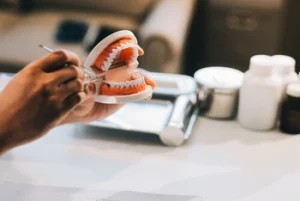 After implant surgery, your body needs time to heal so the implants can integrate with the jaw bone. During this healing phase, you may wear a temporary denture to maintain function and appearance. If bone volume is limited, bone grafting may be recommended before or during this stage to support implant stability.
This healing period plays a key role in reducing future bone loss and supporting long-term strength. The surgical procedure is planned carefully to allow predictable healing while minimising disruption to daily life. Once healing is complete, the next stage can move forward with confidence.
The Denture Connects Once the Implants Are Ready
When healing is complete, your final denture is fitted to connect securely with the implants. At this stage, the attachment system allows the denture to snap into place and be removed easily for cleaning. These replacement teeth are shaped to sit comfortably against the gums while gaining support from the implants beneath.
You may notice the denture feels more controlled than traditional removable dentures, particularly during chewing. With correct fitting, pressure is distributed more evenly across the arch, supporting daily comfort and predictability. For many, this moment marks the shift into a new denture experience that feels noticeably more stable than before.
The Practical Advantages You May Notice Over Time
Dentures Feel Steadier Without Relying on Adhesives
One of the most recognised benefits is improved stability during everyday wear. Snap-in dentures offer a more secure alternative to adhesive-based solutions. Because retention comes from implants, reliance on past coping methods often fades. This change can influence how relaxed daily routines feel. Many describe greater ease during meals and conversations. The secure connection provides reassurance throughout the day.
This added control often translates into more stability during longer periods of talking or eating.
Lower Dentures Tend to Sit More Predictably
Lower dentures often present unique challenges with traditional designs. Tongue movement and limited surface area can make retention difficult. Snap-on systems address this by anchoring directly to implants placed in the lower arch. This creates a secure fit that resists shifting. Over time, this predictability can reduce tension around eating and speaking. The improvement often feels noticeable early on. This can make wearing dentures feel less restrictive during daily activities.
Less Coverage Can Feel More Natural in the Mouth
Some designs limit contact with the palate, reducing bulk inside the mouth. This can feel more comfortable compared with full coverage plates. Reduced coverage may also influence taste perception and speech clarity.
For those sensitive to bulk, this difference matters. The experience often feels less intrusive during daily wear. Comfort tends to improve as familiarity grows. By preserving space, the design can better respect the role of natural teeth when some remain.
Removal Still Keeps Cleaning Straightforward
Despite added stability, the denture remains removable. This allows thorough cleaning of both the denture and the implants. Daily care routines stay manageable without specialised tools beyond a soft-bristled toothbrush. Removability supports inspection of the gums and attachments. This balance between security and access appeals to many considering denture options. Long-term hygiene remains achievable with consistency.
Most dentures in this category are crafted from acrylic resin, allowing repairs or adjustments if needed.
Limitations to Understand Before Choosing This Option
Implants Add an Extra Step to the Process
Choosing snap-on dentures means accepting that implants become part of the process, which introduces surgery and planning that regular dentures do not require. Implant placement involves careful preparation, a healing phase, and in some cases a second surgery, which extends the overall timeline compared with immediate solutions.
While many value the added stability implants provide, it helps to understand this commitment early when comparing dentures vs other approaches. Thinking through the time involved allows expectations to remain realistic from the outset. These points are often discussed when reviewing the cons of snap-based systems.
Adjustment Time Varies Between Wearers
Moving to an attachment-based denture can feel different at first, especially as your mouth adapts to new pressure points and movement patterns. Some notice mild muscle fatigue or awareness during early wear, which usually settles as balance improves. The adjustment period is not identical for everyone, and patience plays a role during this phase.
Having clear guidance and reassurance helps you stay confident while your mouth adapts. Over time, this stabilisation can also influence facial structure as support becomes more consistent.
 Care Involves Both Dentures and Implants
 Care Involves Both Dentures and Implants
Daily care extends beyond cleaning the denture alone and includes maintaining the health of the implants underneath. Without consistent hygiene, plaque can contribute to gum irritation or complications around implant sites.
While routines are manageable, they differ from conventional plates and require attention to detail. Maintaining good habits supports long-term oral health and comfort. This level of care also plays a role in helping prevent bone loss around the implants.
Costs Depend on Implant Number and Planning
Financial planning forms part of the decision for many considering snap-on dentures. Snap-on dentures cost can vary based on the number of implants, the materials used, and the preparation requirements. Some designs rely on two implants, while others use four implants to support the entire arch, which influences overall pricing.
Insurance coverage differs widely, making early discussion important. Viewing costs within broader tooth replacement options helps provide perspective, and some also compare this approach with full mouth dental implants when considering long-term goals.
Jaw Structure Can Influence Suitability
Implants rely on adequate bone support, so jaw structure becomes an important factor during assessment. Where bone volume is limited, recommendations may change to protect long-term outcomes.
Ongoing bone loss can affect stability if not addressed during planning. Careful evaluation of the jaw helps determine whether implants can be placed safely and effectively. This process supports balanced positioning and reduces the risk of unsuitable choices.
Deciding Whether Snap-On Dentures Fit Your Situation
Bone Support Plays a Key Role
Bone quality plays an important role in whether snap-on dentures are suitable for you, as implants rely on stable bone for long-term support. When bone volume is sufficient, implant placement and integration tend to follow a predictable pathway, supporting consistent outcomes. Where limitations exist, planning can be adjusted to account for changes in the jaw, helping avoid unnecessary complications.
This early assessment forms the foundation of suitability discussions and guides decisions with clarity rather than assumption. Strong bone support often contributes to a lasting solution rather than a short-term fix.
Daily Care Comfort Makes a Difference
Your comfort with daily care routines matters just as much as the design itself. Snap-on systems are well-suited to those who feel comfortable removing the denture for cleaning and maintaining implant hygiene as part of their routine.
Daily cleaning supports both the implants and the surrounding soft tissues, helping maintain oral health over time. While the process is not complex, consistency plays a larger role than effort. Being realistic about this responsibility helps guide whether this option fits comfortably into everyday life, especially when managing teeth replacement over time.
A Prosthetist Review Helps Clarify Options
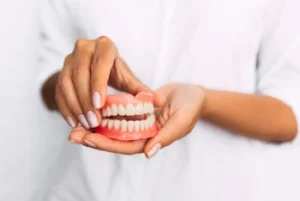 A detailed review with a prosthetist helps bring clarity to whether snap-on systems align with your expectations and long-term goals. During this discussion, comparisons may be made between implant-retained dentures, implant dentures, and a fixed implant denture to highlight practical differences. Other options, such as removable implant dentures, removable implant-supported dentures, or permanent dentures, may also be considered where appropriate.
These conversations take into account lifestyle, anatomy, and functional priorities rather than focusing on a single solution. Guidance at this stage helps narrow choices thoughtfully, including how implants support replacing lost teeth across different scenarios.
Let’s Help You Decide What Feels Right Long Term
Deciding on a denture solution involves weighing stability, care, and long-term comfort rather than chasing quick fixes. Snap-on systems can provide a secure alternative when traditional approaches no longer meet expectations. With careful planning, attention to gums, and commitment to proper care, outcomes can feel predictable and manageable.
Our team takes time to explain the pros and cons clearly so choices feel informed, not rushed. If you are considering ways of teeth replacement or exploring solutions beyond false teeth, we are here to help you navigate those options. To discuss your situation and take the next step toward a new smile, please reach out to us on (07) 5317 1023 or (07) 5315 8076.
Note: Any surgical or invasive procedure carries risks. Before proceeding, you should seek a second opinion from an appropriately qualified health practitioner.
References
https://www.healthline.com/health/snap-in-dentures
https://www.webmd.com/oral-health/what-to-know-about-snap-in-dentures


Recent Comments